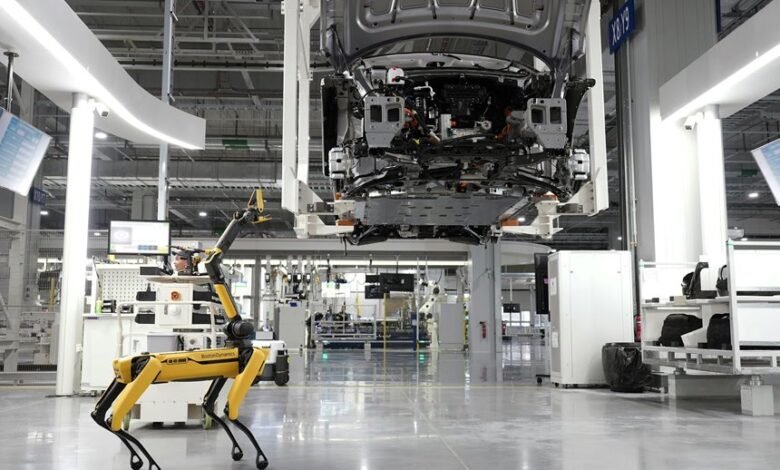
The Smart Automation System 55529472 demonstrates a robust performance profile through its integration of advanced components, including sensors, actuators, and controllers. This system’s scalability ensures consistent operation across diverse environments, while its user-friendly interface facilitates effective management. Initial findings suggest notable enhancements in productivity and efficiency metrics. However, the extent of its impact on long-term operational effectiveness remains to be fully assessed, prompting further exploration into its applications and benefits.
Understanding the Smart Automation System 55529472
Although the Smart Automation System 55529472 is often lauded for its advanced capabilities, a comprehensive understanding of its underlying architecture and functionality is essential for optimizing its performance.
The system components, including sensors, actuators, and controllers, interact seamlessly through a sophisticated user interface, enabling users to customize operations.
Mastery of these elements fosters operational efficiency and enhances the overall user experience, promoting autonomy in automation.
Key Features That Enhance Performance
While various features contribute to the performance of the Smart Automation System 55529472, several key attributes stand out as pivotal in enhancing operational efficiency.
Notably, its scalability advantages allow seamless adaptation to varying loads, ensuring consistent performance.
Additionally, an intuitive user interface simplifies interaction, facilitating user engagement and operational oversight.
Together, these features significantly optimize system functionality and user experience.
Real-World Applications and Success Stories
Numerous organizations across various sectors have successfully implemented the Smart Automation System 55529472, demonstrating its versatility and effectiveness.
In the realm of factory automation, it has facilitated streamlined operations, significantly enhancing productivity. Companies have reported remarkable process optimization, reducing downtime and minimizing waste.
These real-world applications underscore the system’s capacity to adapt, innovate, and drive substantial improvements across diverse industrial environments.
Measuring the Impact of Automation on Business Efficiency?
As organizations increasingly adopt automation technologies, understanding the impact of these systems on business efficiency becomes crucial for informed decision-making.
Evaluating business productivity through specific automation metrics allows companies to quantify improvements. Key performance indicators, such as task completion rates and error reduction, offer insights into efficiency gains.
Analyzing these metrics enables organizations to optimize processes and enhance overall operational effectiveness.
Conclusion
In conclusion, the Smart Automation System 55529472 stands as a testament to innovation, efficiency, and adaptability. By integrating advanced components, it enhances operational performance, reduces waste, and minimizes downtime. Its user-friendly interface fosters engagement and oversight, while its scalability meets the demands of diverse industries. Ultimately, this system not only empowers businesses to optimize their processes but also drives continuous improvement, ensuring sustained productivity and effectiveness in an ever-evolving market landscape.