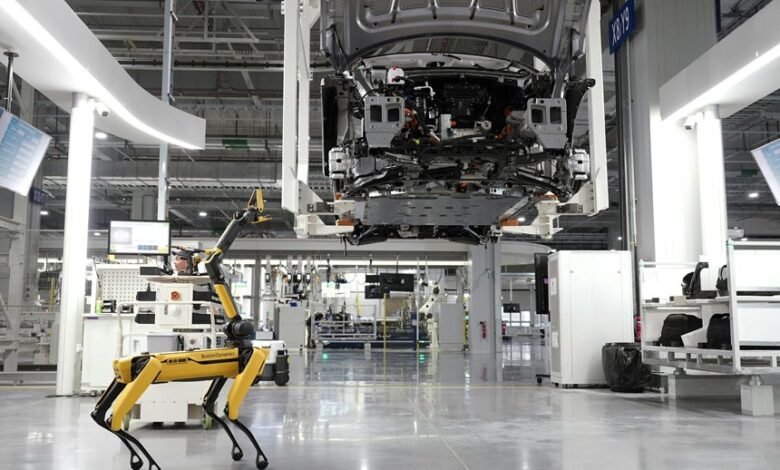
The Smart Automation System 2162281325 demonstrates a noteworthy capacity for enhancing operational efficiency through its intelligent scheduling and task management features. Its performance can be quantified by metrics such as efficiency gains and cost reductions, which indicate substantial process streamlining. This system’s user-friendly interface also encourages employee engagement by minimizing repetitive tasks. However, a deeper examination of its comparative advantages and overall impact on business objectives remains essential for a comprehensive understanding.
Key Features of Smart Automation System 2162281325
While the landscape of automation continues to evolve, the key features of Smart Automation Systems, such as those identified in model 2162281325, remain pivotal in enhancing operational efficiency.
This model incorporates intelligent scheduling, optimizing resource allocation and task management.
Additionally, its user-friendly interface ensures seamless interaction, allowing users to easily navigate complex functionalities, ultimately fostering autonomy and flexibility in operational processes.
Benefits of Implementing Smart Automation in Your Business
What advantages can businesses gain from implementing Smart Automation?
Organizations can achieve significant cost savings through reduced labor expenses and minimized errors.
Additionally, Smart Automation fosters increased efficiency by streamlining processes and optimizing resource allocation.
This technological integration not only enhances productivity but also allows employees to focus on higher-value tasks, ultimately driving innovation and growth within the business landscape.
Performance Metrics: How to Measure Success?
The successful implementation of Smart Automation in a business requires a robust framework for measuring its impact and effectiveness.
Key success indicators include efficiency gains, cost reduction, and quality improvements.
A comprehensive performance analysis should encompass both quantitative metrics, such as throughput and error rates, and qualitative assessments, ensuring that the automation system aligns with organizational goals and fosters operational freedom.
Comparison With Other Automation Solutions in the Market
As organizations increasingly adopt automation technologies, a critical evaluation of Smart Automation systems against competing solutions becomes essential to identify their unique advantages and limitations.
Notably, Smart Automation excels in cost efficiency through streamlined processes, while its user experience remains intuitive, setting it apart from traditional systems.
In contrast, some competitors may offer lower initial costs but compromise on usability and long-term operational effectiveness.
Conclusion
In conclusion, the Smart Automation System 2162281325 stands as a beacon of operational excellence, illuminating pathways for businesses to navigate the complexities of modern workflows. Its capacity to enhance efficiency while minimizing errors is akin to a finely tuned engine, driving organizations toward strategic goals with precision. As companies increasingly embrace automation, this system’s performance metrics reveal not just success, but a transformative shift in how tasks are managed, fostering an environment ripe for innovation and growth.