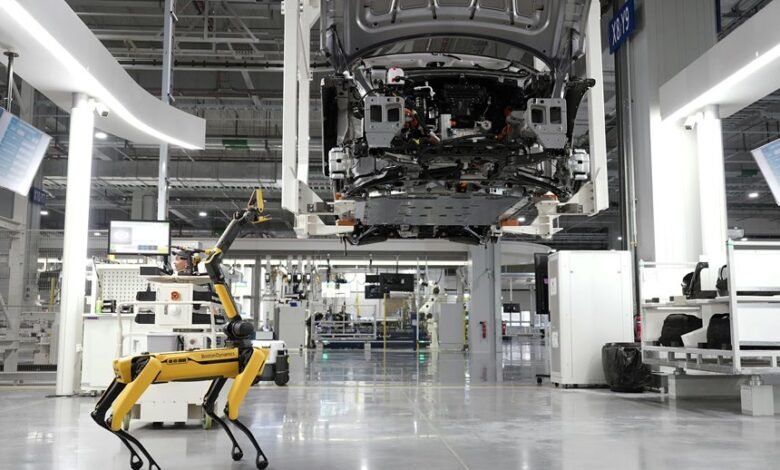
The Smart Automation System 8555710330 demonstrates notable performance through its user-friendly integration and efficient connectivity. Organizations can leverage performance metrics to assess productivity and resource allocation. This ongoing evaluation not only highlights strengths but also identifies areas for enhancement. As industries evolve, understanding the system’s capabilities and customization options becomes crucial. What implications do these features hold for future technological advancements?
Key Features of the Smart Automation System 8555710330
The Smart Automation System 8555710330 is distinguished by several key features that enhance its functionality and user experience.
Its seamless system integration allows for effortless connections between various devices, providing users with a cohesive automation environment.
Additionally, intuitive interfaces and customizable settings empower individuals to tailor the system to their preferences, fostering a sense of freedom and control over their automated surroundings.
Measuring Efficiency: Performance Metrics Explained
Efficiency in smart automation systems is often evaluated through specific performance metrics that provide insights into their operational effectiveness.
These metrics include efficiency benchmarks that gauge productivity and resource utilization.
Performance analysis reveals areas of strength and potential improvement, enabling organizations to optimize their systems.
Real-World Applications: Success Stories and Case Studies
Numerous organizations have successfully implemented smart automation systems, showcasing their potential through a variety of real-world applications.
For instance, in retail optimization, companies have streamlined inventory management and enhanced customer experiences.
Similarly, industrial automation has allowed manufacturers to increase production efficiency and minimize downtime.
These success stories illustrate how smart automation can drive significant improvements across diverse sectors, empowering organizations toward greater productivity.
Future Trends: What’s Next for Smart Automation Technology?
How will smart automation technology evolve in the coming years?
Experts predict significant AI advancements will enhance decision-making capabilities, while industry integration will facilitate seamless collaboration across sectors.
This evolution promises to empower individuals, fostering a landscape where automation complements human creativity and innovation.
As smart automation systems become more intuitive, they will unlock new opportunities for freedom and efficiency in various industries.
Conclusion
In conclusion, while some may question the initial investment in the Smart Automation System 8555710330, the long-term benefits of enhanced productivity and operational efficiency far outweigh the costs. Organizations that embrace this technology gain a competitive edge through customizable settings and continuous performance analysis. By optimizing workflows and resource utilization, businesses can achieve significant returns on investment, making the system not just a cost, but a strategic asset for future growth and innovation.